The Part of the Garden That Smells Like Home
If someone asked me where I truly live, I would probably point to the rose garden before pointing to our cottage. Nearly a quarter of our one-hectare flower garden is roses, and that space carries the strongest fragrance on the land, the kind that settles into your clothes and follows you back inside without asking. …
If someone asked me where I truly live, I would probably point to the rose garden before pointing to our cottage.
Nearly a quarter of our one-hectare flower garden is roses, and that space carries the strongest fragrance on the land, the kind that settles into your clothes and follows you back inside without asking.
On warm days, especially in late spring and early summer, the air feels layered with scent, soft at first, then deeper the longer you stand there.
Most mornings, my grandmother and I drift toward the roses almost without planning it, and many afternoons disappear before we realize we have not gone back inside at all. I laugh when I say this, but it is true, because the rose garden quietly becomes the center of our day.
A Garden Older Than Me
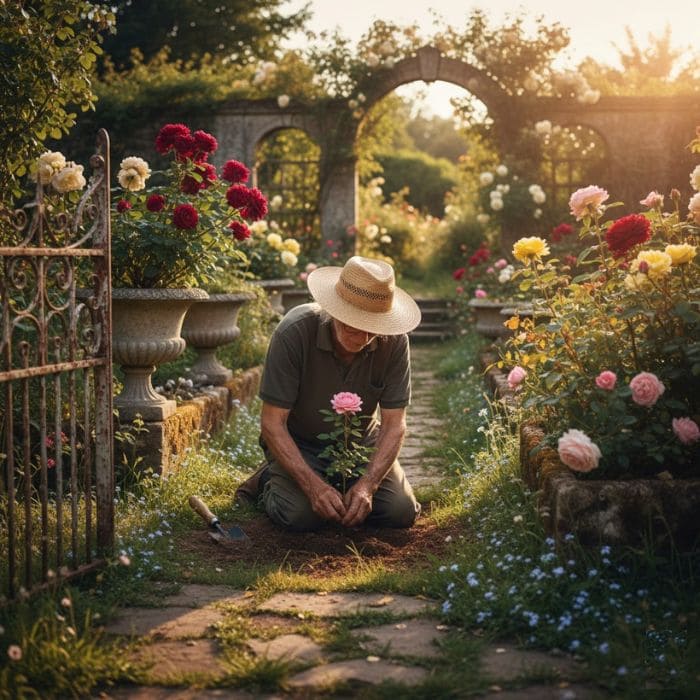
This rose garden is more than seventy years old, older than me, older than many of the habits I grew up with, and filled with stories that were already alive before I was born.
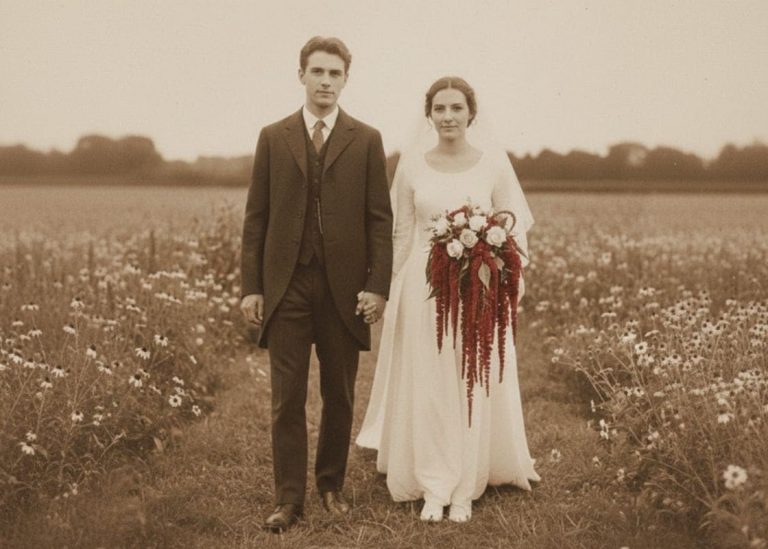
My grandfather planted the very first roses shortly after he married my grandmother, when life was still practical and demanding.
At that time, there were only five rose bushes, placed carefully near the house, while most of the land was used for vegetables and raising chickens, because feeding a family mattered more than flowers.
But my grandfather loved my grandmother deeply, and roses slowly became his way of showing that love.
Each year, he found space for a few more, sometimes along a fence, sometimes at the edge of a vegetable patch, sometimes where no one expected flowers to grow.
The rose garden expanded gradually, never all at once, growing alongside their marriage, their work, and their daily routines.
How Love Turned Into Land Full of Roses
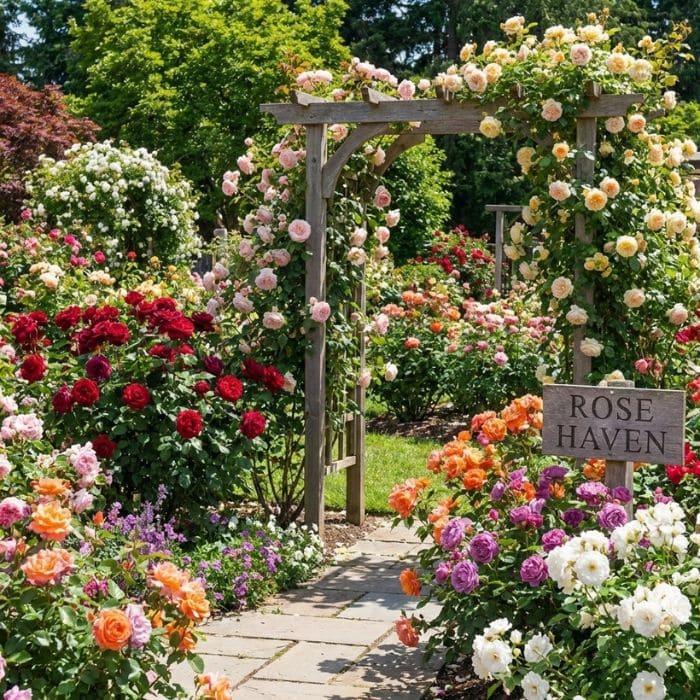
Over the decades, five roses became dozens, then hundreds, then something much larger than anyone ever planned.
Rows formed where there had once been open ground. Colors spread outward like a quiet decision that no one needed to explain. Even after my grandfather passed away, the garden did not stop growing.
My grandmother and I continued caring for it, not because we felt obligated, but because it felt natural to keep something alive that had been built with such patience and affection.
I have never counted the roses, and I do not think I ever will. Still, when I walk through the garden and see how far it stretches, how full it feels in bloom, I know there must be close to ten thousand rose plants growing here now.
They rise and spread in long sections, some neat, some a little wild, shaped by years of weather, hands, and memory.
The Fragrance That Holds Everything Together
The scent of the roses is what truly defines this place. It is not one single smell, but many layered together.
Some roses smell light and fresh, almost green, especially in the morning. Others are heavy and sweet, filling the air in a way that feels almost thick on warm evenings.
The old roses, especially the Gallicas and Damasks, carry the deepest fragrance, rich and slightly spicy, the kind that lingers long after you move on.
The Roses We Grow Today
Over time, we added many modern rose varieties to the garden. Hybrid Teas stand tall with long stems and classic blooms that feel almost formal.
Floribundas bring bursts of color across large areas and bloom generously when conditions are right. Grandifloras rise proudly above surrounding plants, while Climbers stretch upward along wooden supports and old fences that have been reinforced more than once.
Miniature roses surprise visitors with how strong and resilient they are despite their small size, and Shrub roses fill open spaces with a natural, almost untamed beauty.
Alongside them grow the old roses my grandfather loved most. Gallicas with their rich tones, Damasks with their powerful scent, and the Chinas that carry so much family history.
Is Caring for Roses Easy?
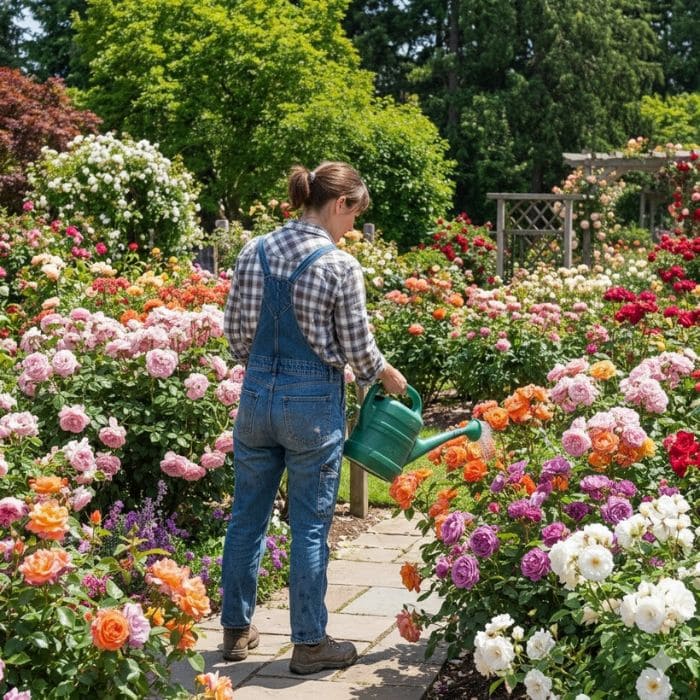
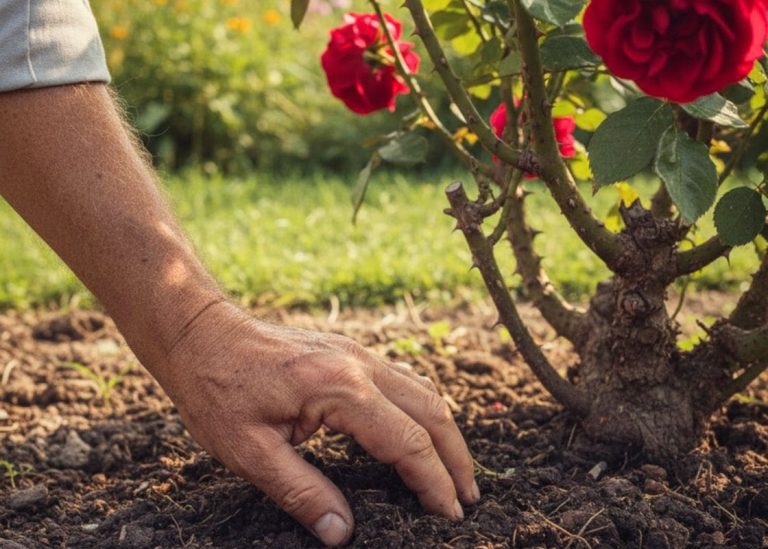
I wish I could say yes, but caring for roses asks a lot from you. They need attention, timing, and patience, and they do not forgive neglect easily.
Pruning takes careful thought, feeding must be done at the right moment, and watching for disease becomes part of everyday observation rather than a separate task.
Some years reward you with endless blooms and healthy growth, while other years test everything you think you know.