My Grandmother Taught Me to Make Lipstick From Roses
My grandmother often says that when she was young, lipstick was not something most women in Willow Bend owned. The weather here made it impractical, and life itself left little room for such things. Summers were humid and hot, winters were dry and biting, and anything bought from a shop either melted, cracked, or felt…
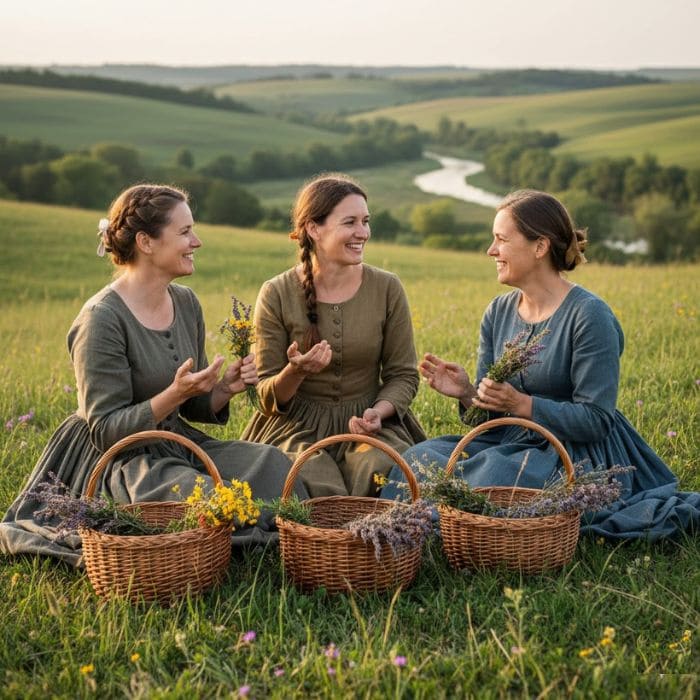
My grandmother often says that when she was young, lipstick was not something most women in Willow Bend owned.
The weather here made it impractical, and life itself left little room for such things. Summers were humid and hot, winters were dry and biting, and anything bought from a shop either melted, cracked, or felt heavy on the lips.
Instead of color, women focused on protecting their skin from wind, cold, and long days of work.
Still, my grandmother cared about small comforts. She liked soft lips, familiar scents, and the feeling of tending to herself in quiet ways.
That is how she learned to make what she always calls lipstick, though it is closer to a tinted balm, using roses from the garden.
Why She Chose Roses and Nothing Else
She was very clear with me from the beginning that not every flower belongs on the skin. Some are too sharp, some cause irritation, and others lose their scent the moment they are crushed.
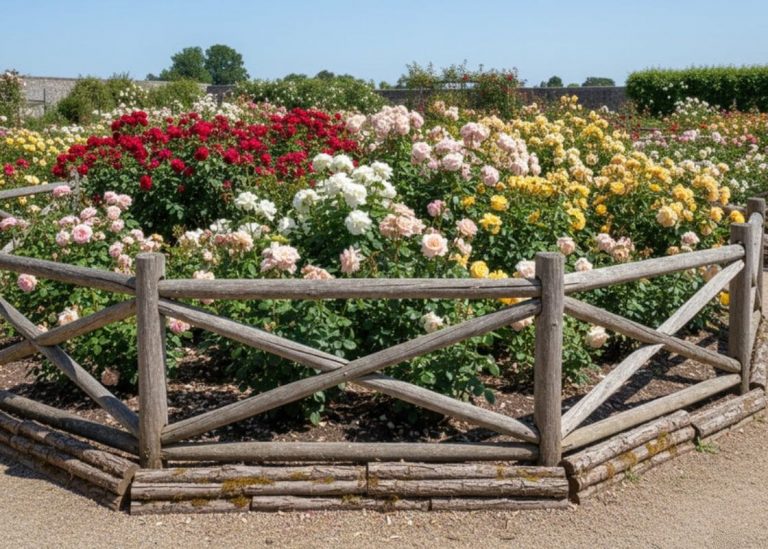
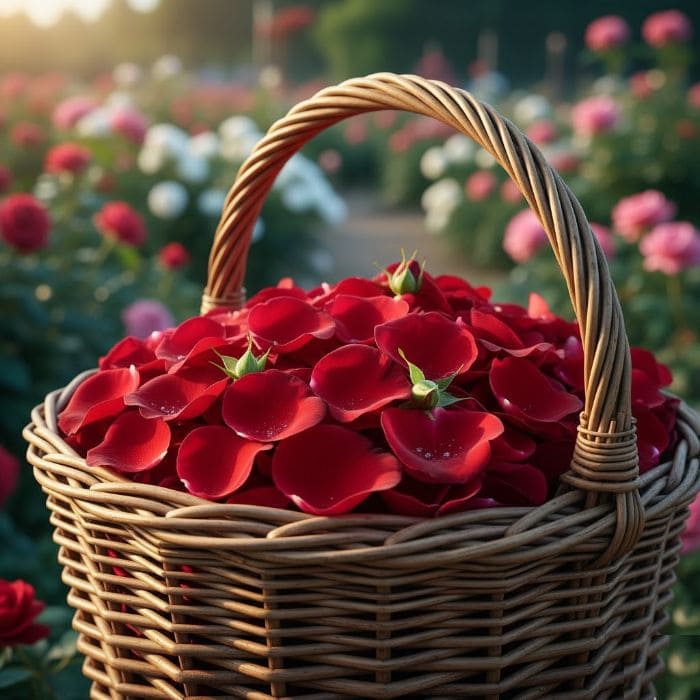
Roses, especially old garden roses, are different. Their petals are gentle, their fragrance comes from natural oils, and their color is soft enough to sit comfortably on the lips.
She avoided pale or white roses because they carry very little pigment. Instead, she always chose darker pink or deep red blooms, which leave a faint natural tint rather than just shine.
Scent mattered more than color. If a rose did not smell strong when gently rubbed between her fingers, she would not use it.
The Exact Roses We Use
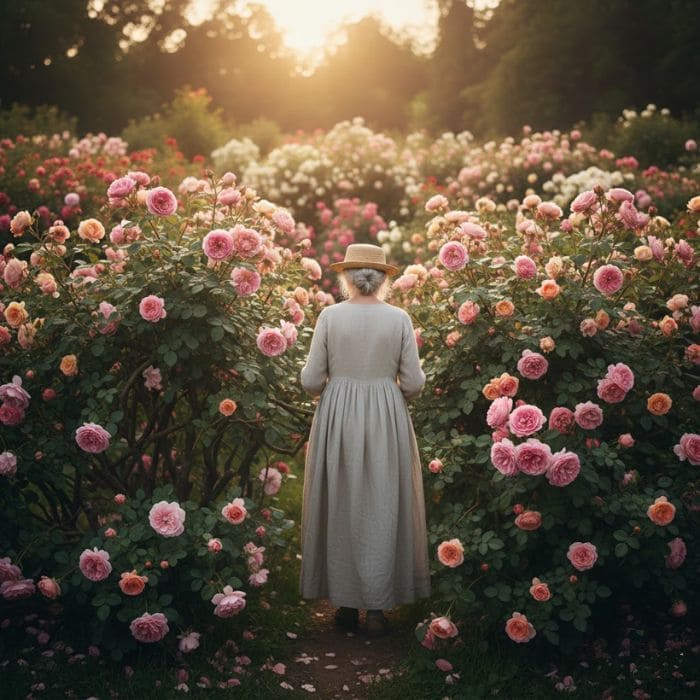
From our garden, she prefers Damask roses above all others. Their scent is rich and steady, and their petals are thin but strong. She also uses some of our older China roses, especially the ones my grandfather planted decades ago. They have a softer fragrance but produce a beautiful warm tint.
She never uses modern roses that look perfect but barely smell. She once told me, very simply, “A rose that gives nothing to the air will give nothing to your lips.”
When and How We Pick Them
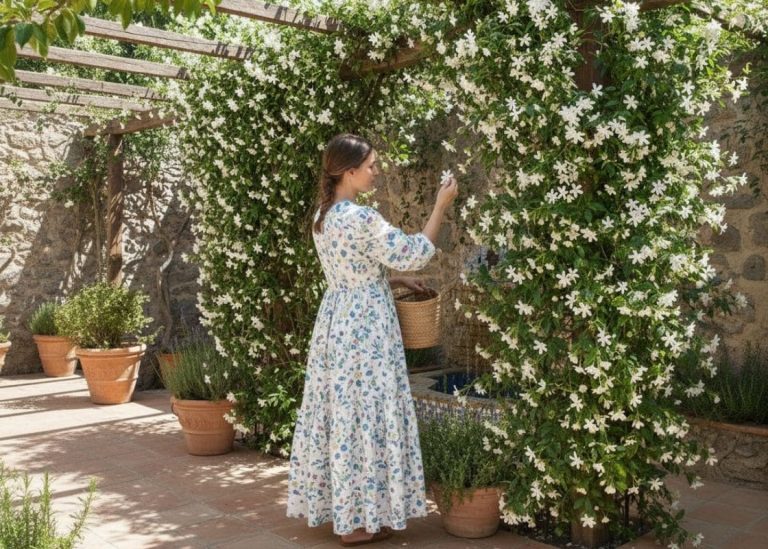
We always pick roses early in the morning, usually between six and seven o’clock, after the dew has dried but before the sun becomes strong. This is when the petals hold the most natural oil and fragrance.
We never pick after rain, because rain washes away part of the scent. We also avoid petals that are too young or already fading.
For one small tin of lipstick, we usually pick petals from three to four fully opened roses. That amount gives enough color and scent without making the balm grainy.
The Tools We Use
One of the most important tools is a small mortar and pestle that belonged to my grandparents. It is made of heavy stone, smooth inside from years of use.
My grandmother told me they bought it shortly after their marriage, from a local market not far from Decorah, when they were still setting up their home. It was used for grinding spices, herbs, and sometimes grains, long before it ever touched rose petals.
We still use it today. The weight of the stone helps crush the dried petals slowly and evenly without heating them too much, which helps preserve the scent.
The Simple Ingredients
The ingredients have never changed much, because they work. We use dried rose petals from three to four roses.
About one tablespoon of olive oil or almond oil, depending on what we have. Roughly half a teaspoon of beeswax, shaved from a larger block.
In winter, my grandmother sometimes adds a quarter teaspoon of honey for extra softness, but never in summer. That is all.
How She Taught Me to Make It
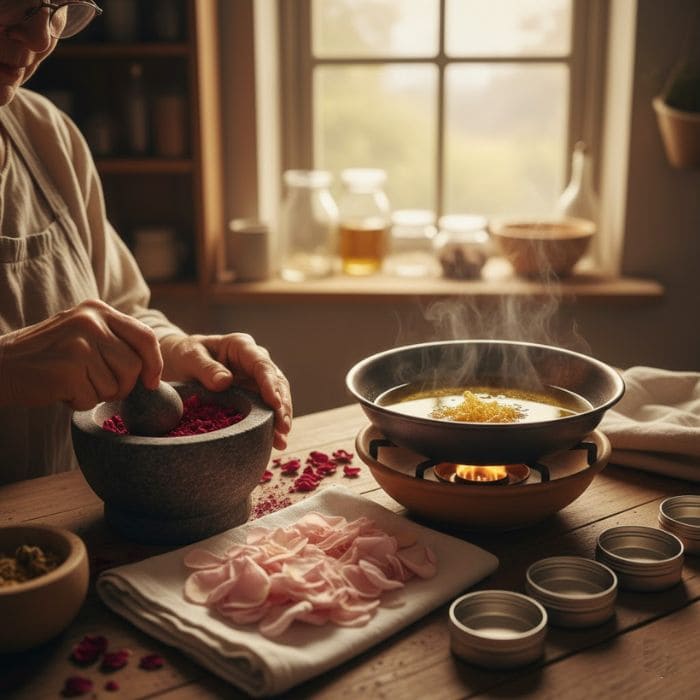
First, we rinse the rose petals gently and lay them on a clean cotton cloth to dry completely, usually overnight. Any moisture left will ruin the mixture.
Once dry, we place the petals into the stone mortar and crush them slowly, not pounding, but pressing and grinding until they become a deep red powder.
Next, we melt the oil and beeswax together using a small metal bowl placed over warm water. The heat is always low.
My grandmother reminds me every time that heat destroys scent. Once the wax is just melted, we remove it from the heat and stir in the rose powder gently, making sure it blends evenly.
The mixture is then poured into small tins, usually ones that hold about ten milliliters. We let them cool naturally on the table.
She never puts them in the refrigerator, because sudden cold changes the texture and makes the balm uneven.
Why This Recipe Matters So Much
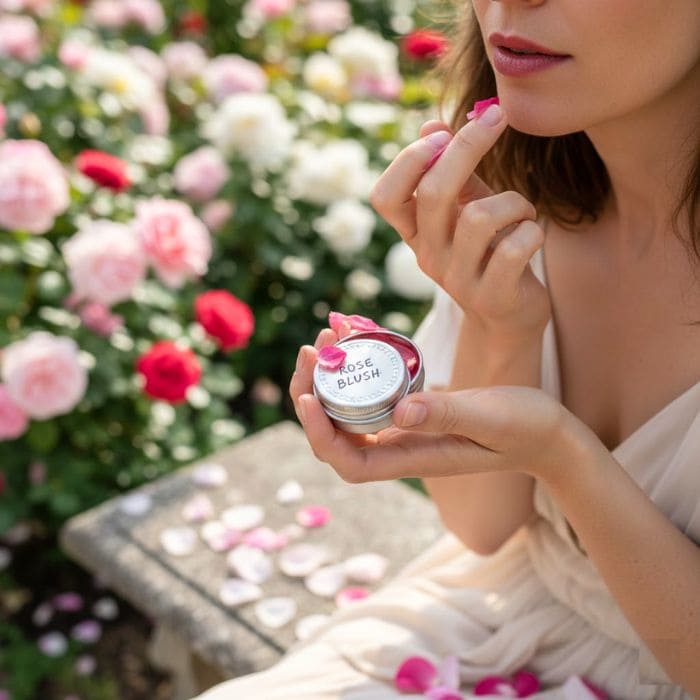
For my grandmother, this was never about looking beautiful for others. It was about care, familiarity, and using what the land offered. The scent reminded her of the garden even when she was inside, especially during long winters.
For me, learning this recipe feels like learning a language passed down quietly, through hands rather than words. The stone mortar, the roses, the careful timing, all of it carries history.
Every time I use this rose lipstick, it smells like our garden in July and feels like a small continuation of something that began long before I was here.