The Flowers Everyone Warned Me About
There is one flower people always mention with a certain tone, orchids. They talk about them like a test you are likely to fail, delicate, demanding, unforgiving. I had heard all of that long before I ever touched one. Still, after years in the garden, I had learned something important. Difficulty is often just unfamiliarity….
There is one flower people always mention with a certain tone, orchids. They talk about them like a test you are likely to fail, delicate, demanding, unforgiving.
I had heard all of that long before I ever touched one. Still, after years in the garden, I had learned something important.
Difficulty is often just unfamiliarity. With patience and observation, most things will tell you what they need. So last spring, I decided to try.
The Drive to Find Them
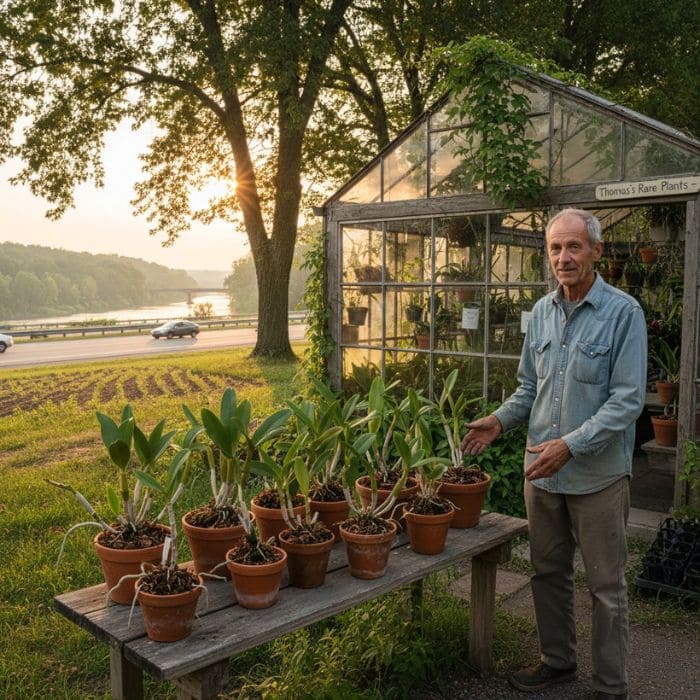
I drove east, across the river and through long open farmland, into La Crosse, where small nurseries still carry plants you do not often see in town.
The drive takes a little under an hour from Willow Bend, enough time for the roads to feel busier and the air slightly different.
I found the orchids at a modest plant shop tucked behind a greenhouse. The seller was a man named Thomas, lean, sun-worn, with calm eyes and soil under his nails that never seemed to wash off.
When I told him I wanted orchids for my garden, not indoors, he smiled in a way that felt honest.
“They won’t rush for you,” he said. “If you try to hurry them, they’ll stop talking.”
I bought ten pots. All healthy plants, thick roots, firm green leaves, not a single bloom in sight.
Bringing Them Home
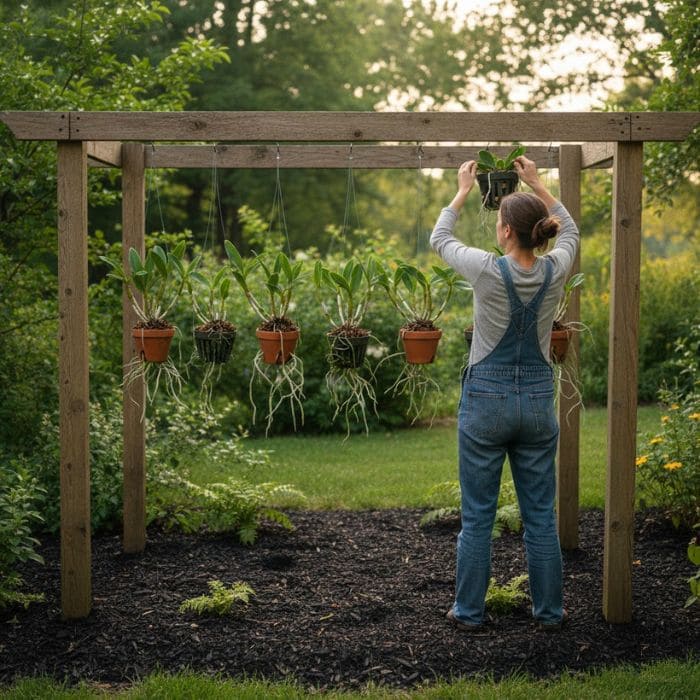
Back home, I chose a sheltered area of the garden where the light is gentle and indirect. Morning sun reaches there briefly, then fades into soft shade for the rest of the day.
I hung the orchids under a simple wooden frame, about five feet off the ground, so air could move freely around them.
I spaced each pot carefully so no leaves touched. I checked the drainage twice as orchids hate sitting in water.
I used rainwater whenever possible, watered early in the day, and let the roots dry slightly before the next watering.
Also, I wiped dust from the leaves. I turned the pots every week so growth stayed even. I watched them closely, learning their quiet signals.
A Year of Waiting and Trying Everything I Knew
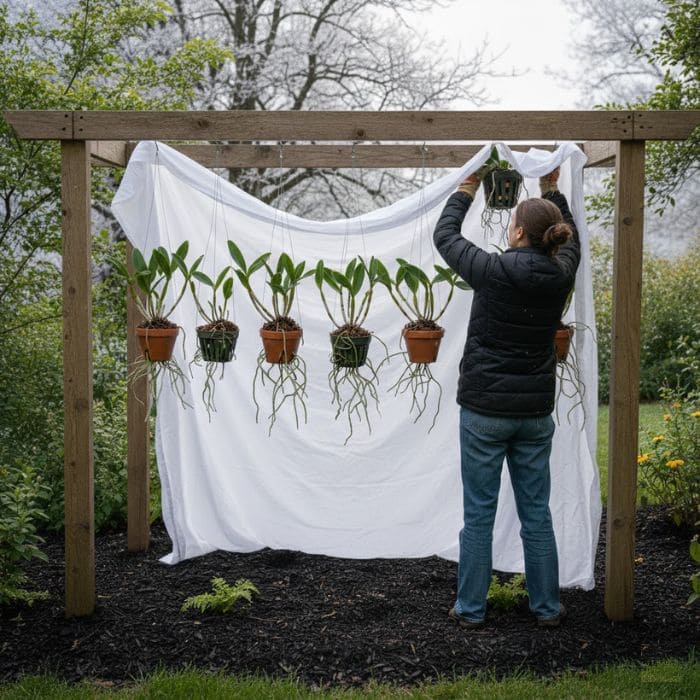
Weeks turned into months. The orchids stayed alive and green, which felt like a small success at first. New leaves appeared and roots thickened and reached outward. Nothing looked wrong.
Still, there were no blooms.
Through summer, I adjusted watering, a little more during heat, less during rain. In fall, I reduced moisture, letting them rest.
During winter, I protected them from cold drafts and sudden temperature drops. I read. I observed. I resisted the urge to change everything at once.
There were days I stood beneath them longer than necessary, searching for signs I might be missing. Buds never came. The plants were healthy, but quiet, almost stubborn.
I began to feel discouraged, not frustrated, but unsure. I had given them care, but maybe not what they truly needed.
What My Grandmother Noticed
One afternoon, my grandmother stood beside me while I checked the orchids again. She watched quietly, then said something that shifted everything.
“They are comfortable,” she said. “But they are not encouraged.”
I asked her what she meant.
She told me orchids often grow leaves when conditions are safe, but they bloom only when something signals that it is time to grow forward, not just survive.
She said my care was correct, but incomplete. The plants were clean, watered, protected, but missing gentle nourishment.
Then she asked me if I had ever fed them rice water.
The Tip She Learned Long Ago

She explained it simply, the way she always does. When rinsing rice before cooking, she saves the first cloudy water, the one full of starch. Not the salted cooking water. Just the rinse.
That water holds mild nutrients, enough to support growth without overwhelming sensitive roots.
She told me to dilute it, one part rice water to three parts clean water, and use it only once a week, only when the roots were already slightly moist.
“It wakes them,” she said. “Not with force. With familiarity.”
When Things Finally Changed
I followed her instructions exactly. Slowly, I noticed changes. Roots turned more active, new tips pale and fresh. Leaves grew thicker. The plants felt different, more awake.
About six weeks later, I saw the first flower spike pushing out, small but certain. Then another, I did not celebrate yet. I waited.
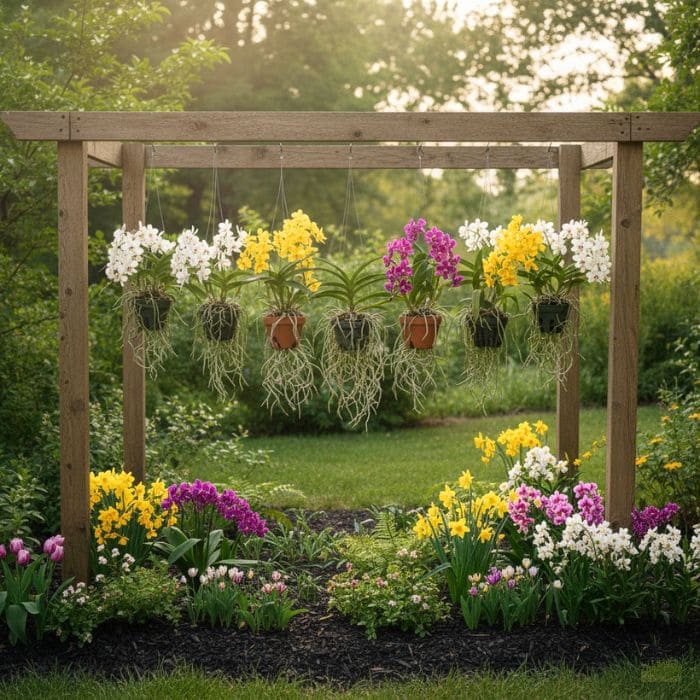
By late spring, the first orchid bloomed. Soft-colored, simple, perfect in its own quiet way. Soon after, more followed. Not all ten at once, but enough to feel like a conversation had finally begun.