My Garden Hides A Secret Medical Treatment
I have never thought of my garden as a place for medical treatment, and even now I would hesitate to call it that. What happened was quieter, less certain, and more personal than anything that sounds like medicine. I never told this story before because it belongs to a time when I felt weak in…
I have never thought of my garden as a place for medical treatment, and even now I would hesitate to call it that. What happened was quieter, less certain, and more personal than anything that sounds like medicine.
I never told this story before because it belongs to a time when I felt weak in a way I did not like admitting. Still, it is part of my life here, and it deserves to be said honestly.
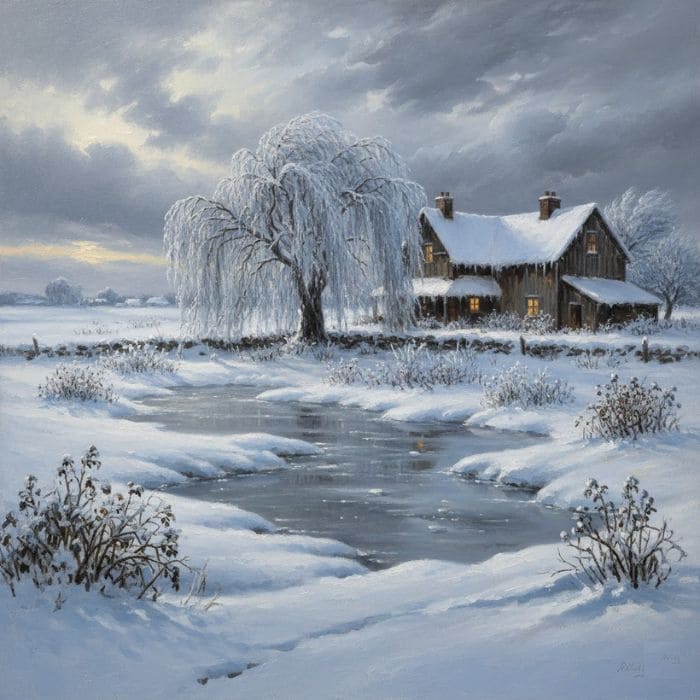
Some years ago, Willow Bend went through one of the hardest winters I can remember.
The cold arrived early and stayed without mercy. Wind tore across the open fields day and night, sharp enough to sting exposed skin and strong enough to make the house groan in the evenings.
Snow covered everything in thick layers, and when it melted, it froze again, sealing the ground under ice. Even the garden felt distant, buried and unreachable.
I dressed carefully every day. Thick coats, scarves wrapped tight, wool layers underneath. I tried to be cautious, but winter does not always care how prepared you are. Somewhere along the way, I got sick.
A Cough That Stayed Too Long
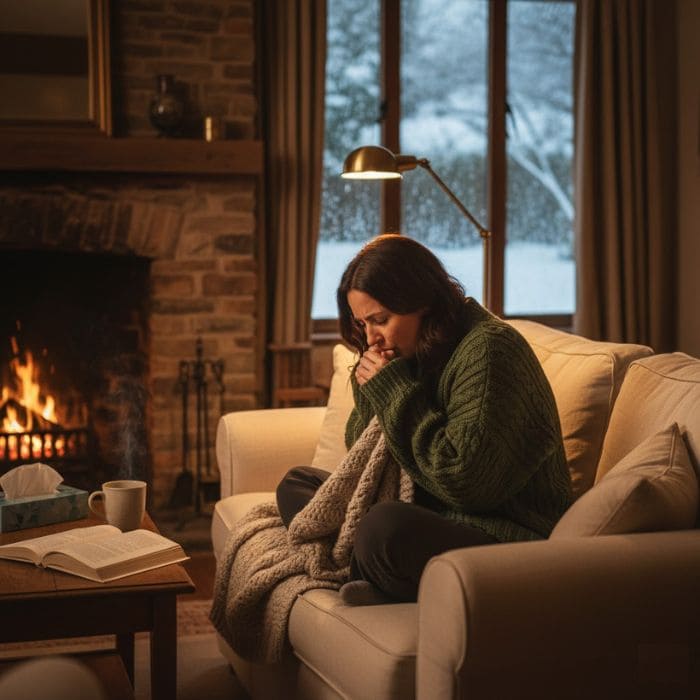
It started as a cough I did not take seriously. At first, it felt like something temporary, the kind that comes and goes with cold air.
But it did not go. It stayed through weeks, then months, settling into my chest and becoming part of my nights.
The sound of it felt dry and deep, especially when I tried to sleep. Some mornings, my throat burned from coughing so much through the dark hours.
I went to the hospital. I followed instructions carefully. I took syrups, tablets, warm drinks, rested when told.
Some days improved slightly, but the cough never fully loosened its hold. Winter passed slowly, and I passed through it tired, wrapped in layers, carrying the sound of my own breathing everywhere I went.
By the end of the season, I was exhausted in a way that went beyond illness. It was the weariness of trying everything and still waking up with the same problem waiting for you.
The Evening My Grandmother Spoke Without Words
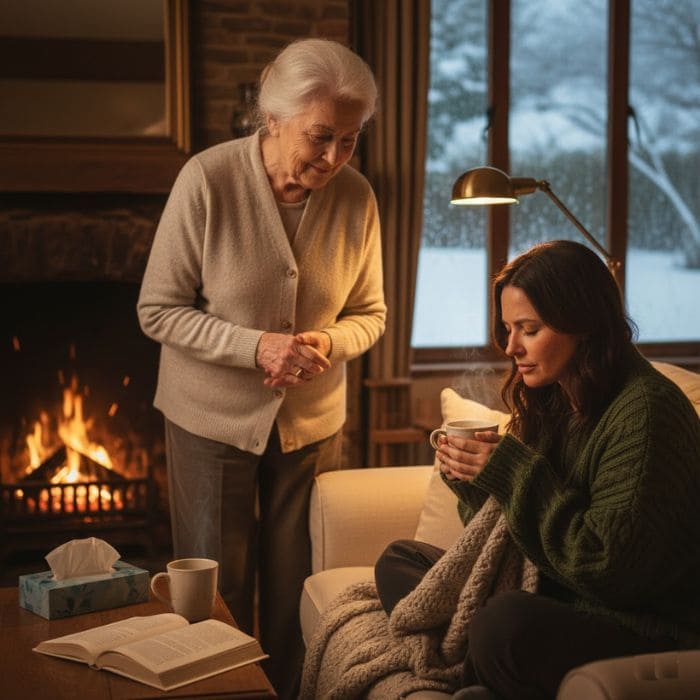
Throughout all of this, my grandmother watched me quietly. She never questioned the doctors. She never told me to stop taking medicine. She never rushed to offer alternatives.
One evening, after dinner, she disappeared into the kitchen and returned with a small cup cradled in both hands.
Steam lifted gently from the surface. The liquid inside was pale, almost translucent, touched with a warm golden tone. She placed it in my hands and told me to drink it slowly.
The taste surprised me immediately. It was sweet, but not heavy. Soft on the tongue. There was warmth from ginger, but it did not burn.
A faint citrus note lingered at the back, bright but gentle. As I drank, I felt the warmth move downward, settling in my chest rather than scratching my throat.
That night, I slept more deeply than I had in weeks. When I woke the next morning, the cough was gone. Not lighter, gone.
What She Had Given Me
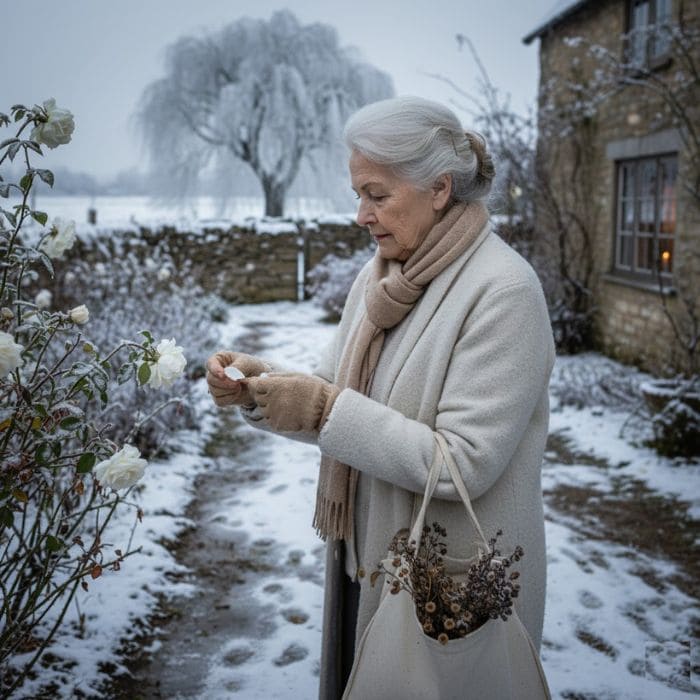
When I asked her what was in the cup, she smiled, the kind of smile that comes from knowing something simple has done something important.
White rose petals. Honey. Ginger. Kumquat.
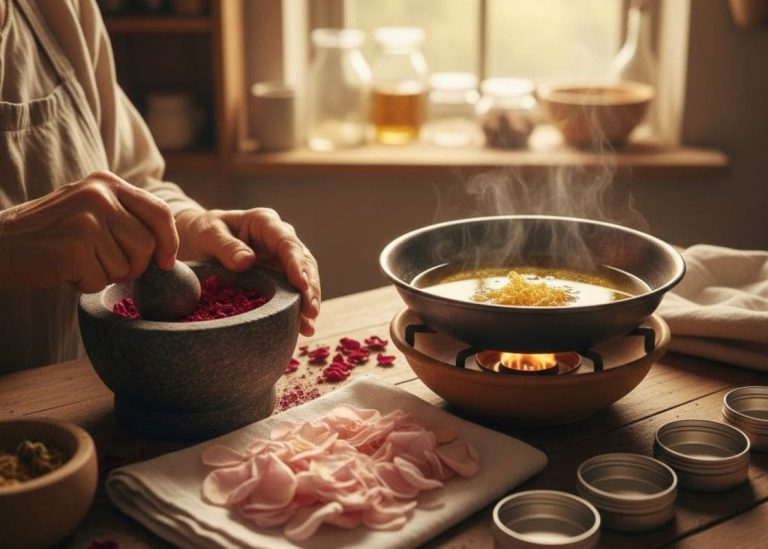
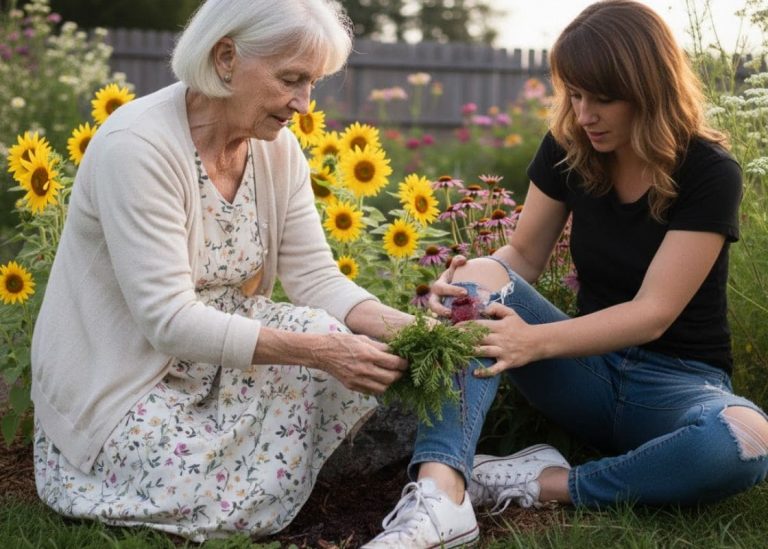
She explained each part carefully. The white rose petals came from fully opened blooms, picked earlier that day.
She chose white roses because they are softer by nature, less heavy than darker roses, and easier on the body when it has already been irritated for too long.
She tore the petals by hand, never cutting them, so they would release their natural oils slowly.
Next, the ginger was fresh, sliced thin, just enough to warm the chest without creating heat that might worsen the cough. The kumquat was lightly crushed, peel included, releasing a gentle bitterness and citrus fragrance that helped clear the breath.
Honey tied everything together, smoothing the sharp edges and carrying the warmth where it needed to go.
Where This Knowledge Came From
This recipe did not begin with my grandmother, it came from my grandfather.
Before the garden, before the roses filled this land, he was a businessman. He traded goods and traveled often, sometimes for long stretches of time.
One of the places he spent significant time in was China, where winters in certain regions can be brutally cold, the kind that settles deep in the lungs and stays there.
My grandmother told me that during one particularly harsh winter, people there relied on simple combinations made from what they had on hand. Flowers, roots, citrus, honey.
Remedies passed quietly from one person to another, not written down, not named, just remembered.
My grandfather learned this mixture there, used it when needed, and carried the knowledge home with him without ever making a point of it.
What I Believe About It Now
My grandmother never told me this drink replaced medicine. She never framed it as a cure. She said it helped my body rest after fighting for too long.
It softened what had been irritated, warmed what had been strained, and allowed my breathing to settle back into its own rhythm.
Since that winter, I still do not call the garden medicine. But I do see it as care, as memory, as a place where knowledge gathered across years and countries quietly waits until it is needed. Every white rose now carries a deeper meaning for me, not because it healed me alone, but because it was part of a moment when I felt seen, cared for, and gently guided back to myself.