Two Simple Things to Keep My Garden Lush Through the Hottest Days
I often receive messages asking how my flower garden still manages to bloom beautifully during long periods of hot weather. I always hesitate before answering, because the truth is not impressive or complicated. There are no special products, no secret schedules, and no tools that cost more than the plants themselves. What keeps my garden…
I often receive messages asking how my flower garden still manages to bloom beautifully during long periods of hot weather.
I always hesitate before answering, because the truth is not impressive or complicated.
There are no special products, no secret schedules, and no tools that cost more than the plants themselves. What keeps my garden going are two habits most gardeners already know, but many overlook when summer becomes exhausting.
These two methods may sound ordinary, but when practiced correctly and consistently, they carry my garden through the hardest days of summer.
Water Deeply at the Base, and Always Early in the Morning
Watering is not about how often you water, but about how and when you do it.
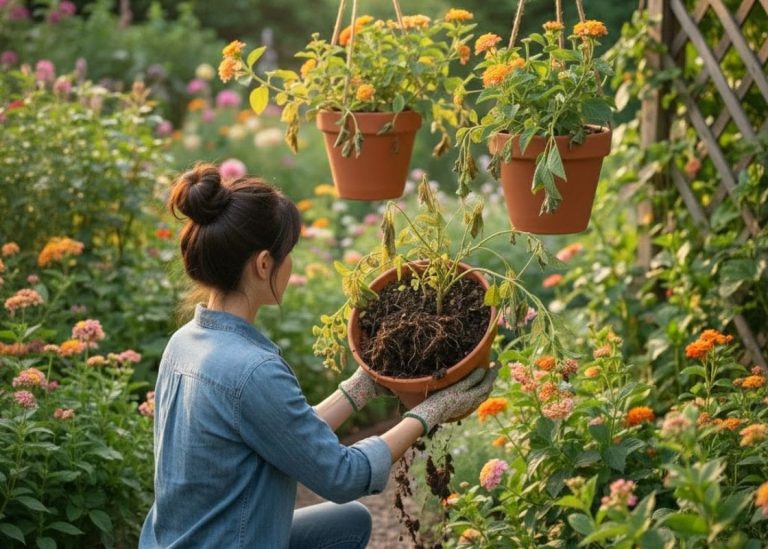
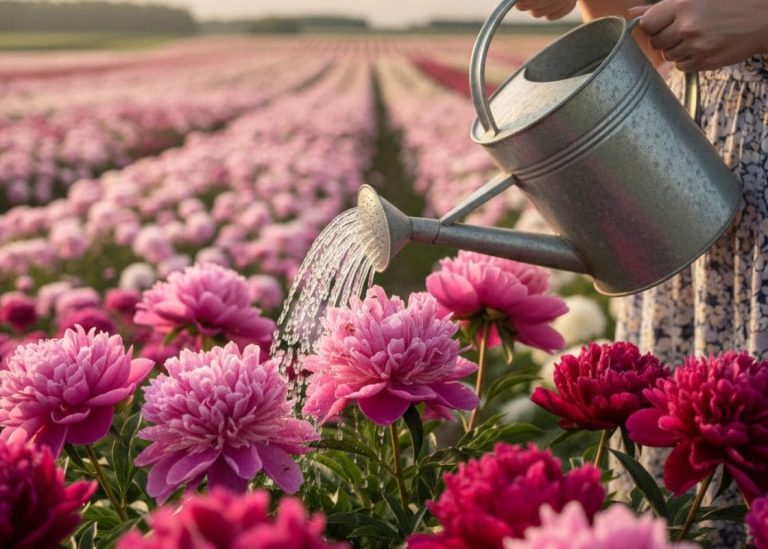
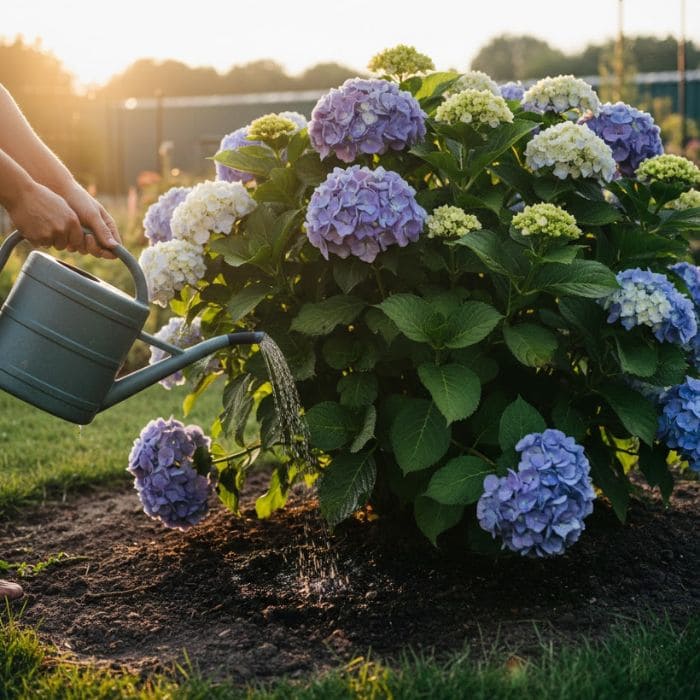
During hot weather, I water deeply at the base of each plant, always in the early morning. I do this when the air is still cool and the soil can absorb moisture without losing it immediately to evaporation. By the time the sun rises high, the roots already have what they need.
I aim the water directly at the soil, close to the roots, and avoid wetting the leaves. Wet foliage under strong sun can stress plants, and watering from above encourages shallow roots. Shallow roots make plants dependent on frequent watering and unable to cope with heat.
Deep watering, on the other hand, encourages roots to grow downward. When roots grow deeper, plants become more resilient. They can reach moisture even when the surface soil dries out, which is exactly what happens during heat waves.
After watering, I always check the soil by pushing my finger several inches down. If it feels cool and moist below the surface, I know the watering was effective.
Not Every Flower Needs Constant Water
One of the most important lessons I learned the hard way is that heat does not automatically mean thirst. Some plants tolerate dryness better than others, and overwatering them can do more harm than good.
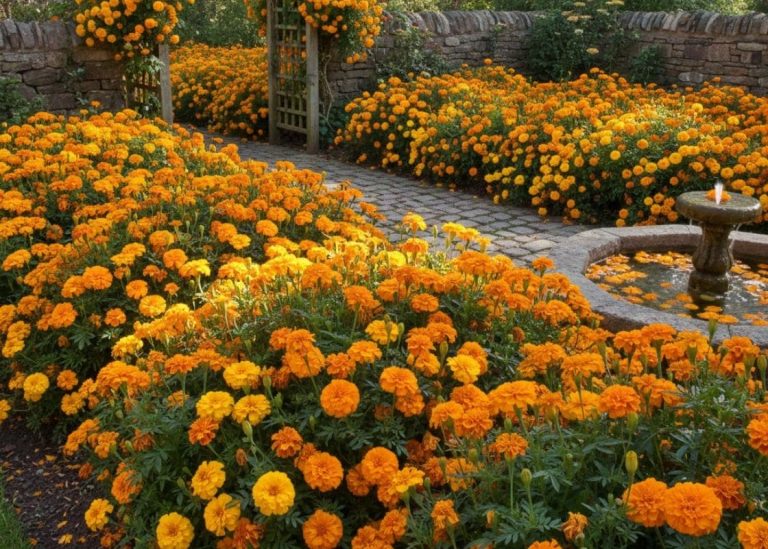
For example, coneflowers, marigolds, lantana, and lavender in my garden prefer the soil to dry slightly between waterings.
Even during hot weather, these plants stay healthy with less frequent watering, as long as the watering is deep when it happens.
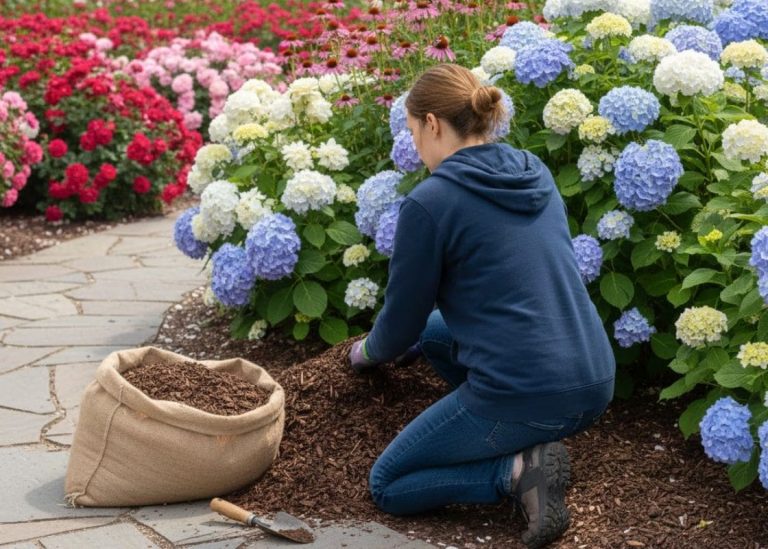
On the other hand, hydrangeas and newly planted roses do need more consistent moisture, but still not constant soaking.
Why Morning Watering Makes Such a Visible Difference
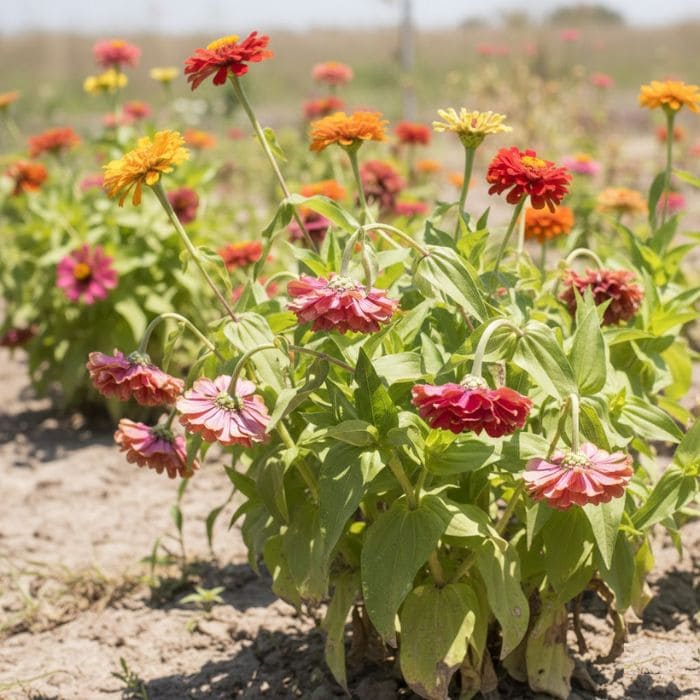
When I committed to early morning watering, the difference was noticeable within weeks. Before, when I watered later in the day or too lightly, flowers often drooped by noon, leaves lost their firmness, and blooms faded quickly.
After switching to deep morning watering, flowers stayed upright longer through the afternoon. Leaves remained thicker and cooler to the touch, even on hot days.
Blooms, especially on roses and zinnias, lasted several days longer before fading. The garden looked steadier, not rushed or stressed.
The change was especially clear during heat waves. Plants that used to look tired by mid-afternoon now held their shape until evening. Morning watering gave them a full reserve to draw from throughout the day.
The Second Habit That Changed Everything: Deadheading Where It Matters
Deadheading is often treated as optional, but in hot weather, it becomes essential.
Deadheading means removing spent blooms so the plant does not waste energy producing seeds.
Instead, that energy is redirected into new growth and future flowers. Many gardeners know this, but during summer heat, it is tempting to leave faded blooms in place. And I used to do exactly that.
What Happened When I Stopped Deadheading Roses
Last summer, during an especially hot stretch, I decided to leave my roses alone. I thought cutting blooms during heat might stress them further, so I let spent flowers remain on the bushes.
Within weeks, blooming slowed dramatically. The plants were still alive, but they looked heavy and tired.
Also, bud production dropped, and new growth stalled. The roses seemed to shift into survival mode rather than blooming mode.
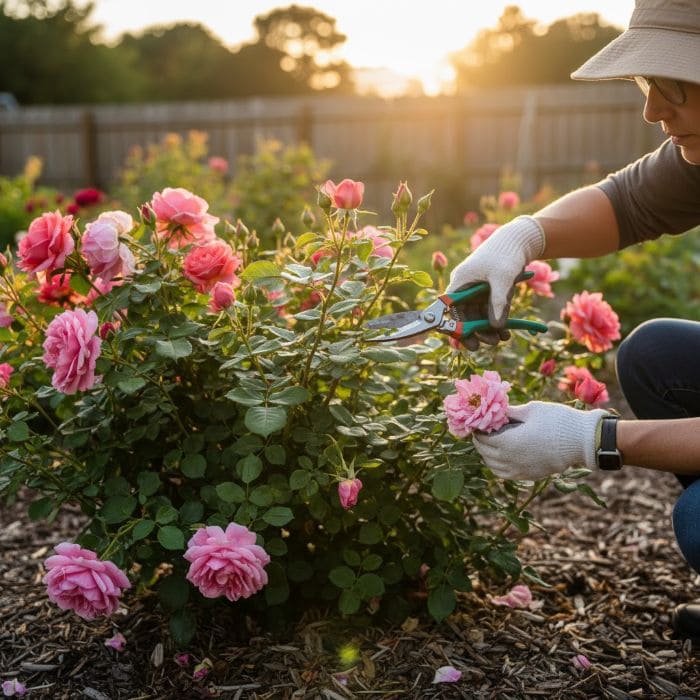
This year, I returned to consistent deadheading, even during heat, but I do it at the right time. I deadhead early in the morning or late in the afternoon, never under direct sun.
I cut just above a healthy set of leaves, using clean shears, and remove blooms as soon as petals begin to fade or fall.
The difference has been clear and repeatable. Roses continue to produce buds in steady waves. The plants look lighter, more balanced, and less burdened by old flowers.
Why Deadheading Helps in Hot Weather
In heat, energy becomes limited. Leaving spent blooms forces the plant to choose between seed production and survival.
By deadheading, I remove that burden. The plant can focus on maintaining healthy leaves, strong stems, and future blooms.
Deadheading does not weaken the plant. It helps it manage its energy more wisely, especially when conditions are challenging.
How These Two Habits Work Together
Deep watering supports strong roots, while deadheading supports continued blooming. One strengthens the foundation below the soil. The other encourages life above it.
I still lose flowers sometimes. Heat will always take something, but my garden no longer collapses under it.
And in the garden, especially during the hottest days of summer, reliability is what keeps everything blooming.