We Were Worried About Upper Iowa River A Lot
Last week, a single headline in the local Ohio newspaper changed the way I looked at everything around me. It reported that the Upper Iowa River, the river that runs quietly through Ohio and passes directly by Willow Bend, my village, showed signs of serious pollution. According to the investigation, a nearby factory named Hawthorne…
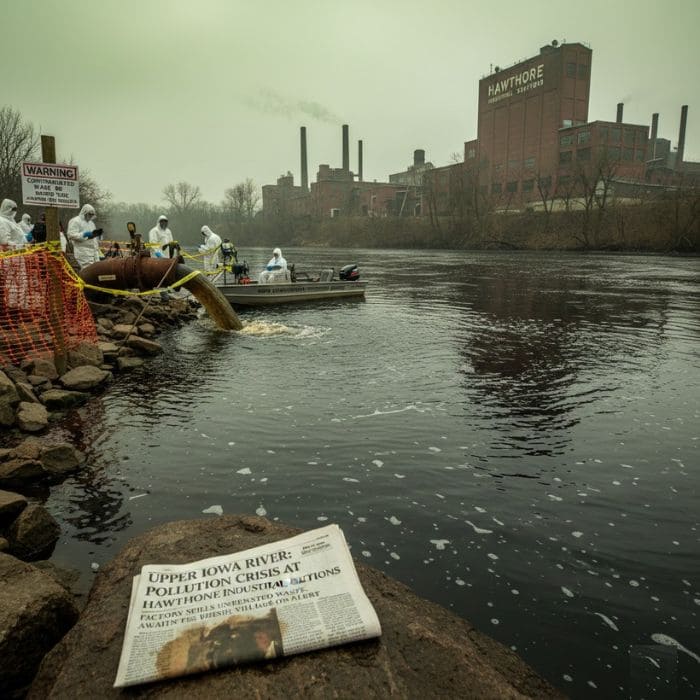
Last week, a single headline in the local Ohio newspaper changed the way I looked at everything around me. It reported that the Upper Iowa River, the river that runs quietly through Ohio and passes directly by Willow Bend, my village, showed signs of serious pollution.
According to the investigation, a nearby factory named Hawthorne Industrial Solutions, known for producing industrial detergents and metal-cleaning agents, had accidentally released untreated sewage waste into the river after a failure in one of its discharge pipes.
The article described the scene clearly and without exaggeration. In one stretch near the pipe, the water had turned nearly black, thick enough that the current moved slowly and unevenly.
Local authorities arrived quickly, sealed off the area, and collected multiple water samples to test contamination levels. Until the results were confirmed, residents downstream were advised to stop using river water immediately.
Understanding How Deeply the River Is Part of Our Lives
For many people, a river is scenery, something to admire from a bridge or photograph at sunset. For us, the river is daily life.
Most of the water we use in our home comes from it, filtered through our system, the same way it has been done here for decades. We use it to wash vegetables, clean tools, water the garden, and support everything growing on this land.
My grandmother grew up trusting that river. I grew up trusting it too. It has always been there, steady and reliable, flowing past fields and gardens without drawing attention to itself.
When I told her the news, she listened carefully, then nodded once. She did not panic, but she did not dismiss it either. She said we would stop using river water immediately, without waiting for reassurance.
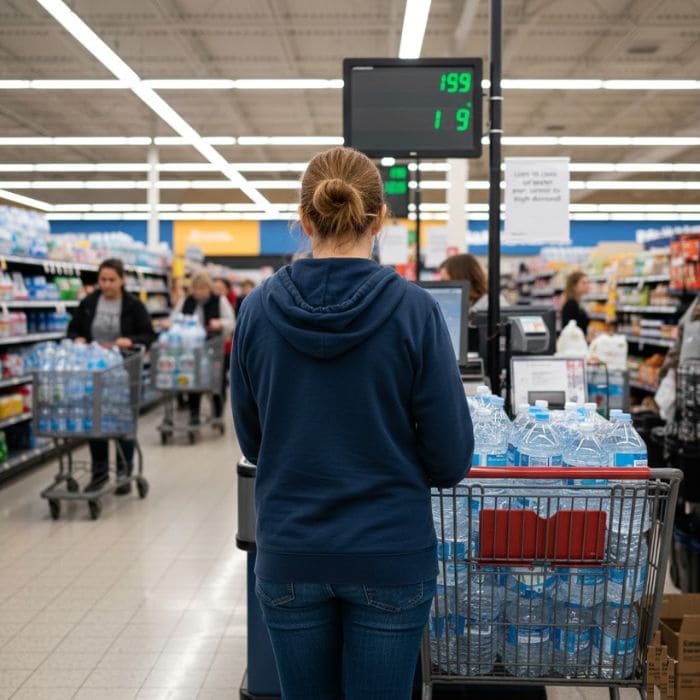
Drinking water and water for hygiene could be bought from the supermarket in town for a few days. That part was manageable, even if inconvenient.
Facing the Question I Had No Answer For
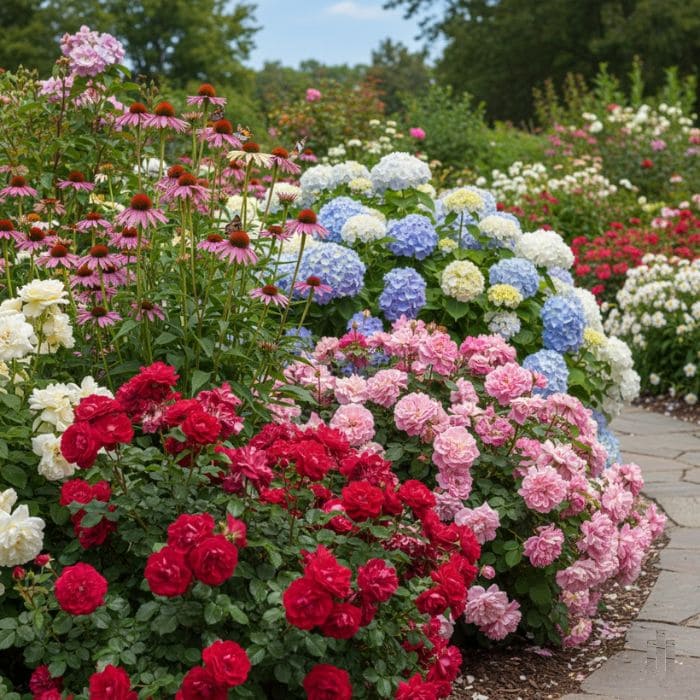
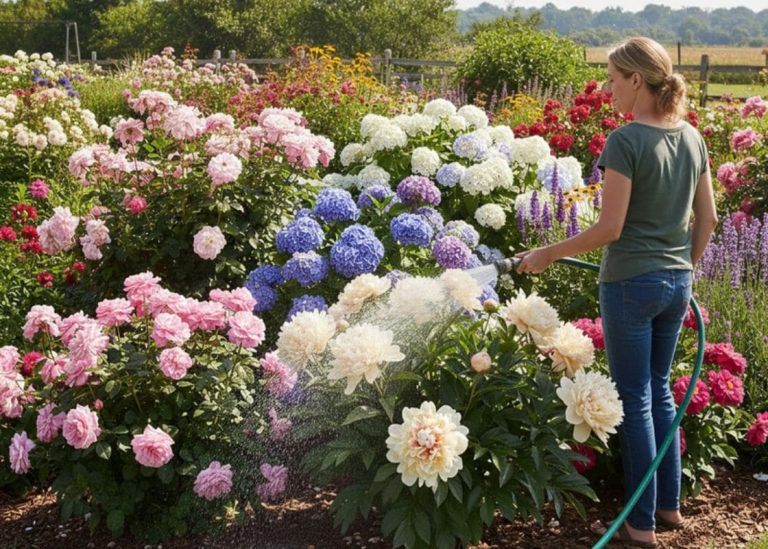
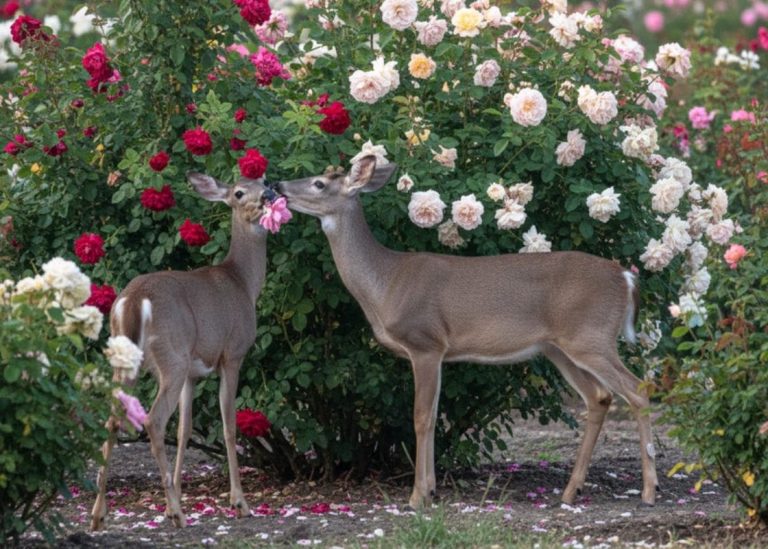
That afternoon, I walked through the garden with the hose still coiled beside the shed, untouched. Roses were full of leaves, hydrangeas were pushing new growth, coneflowers stood tall and steady. Everything looked healthy, alive, and completely unaware.
For the first time since I began caring for this garden seriously, I did not know what to do next.
Two days without water may not sound like much, but when you are responsible for a one-hectare garden, it feels like standing still while something precious slowly dries around you.
I felt nervous in a practical way, not dramatic fear, but the kind that stays with you as you calculate hours and watch the sky, hoping for rain that does not come.
Choosing Care Over Panic
My grandmother reminded me gently that gardens have survived droughts, storms, and far worse than this.
She told me not to rush into decisions made from fear. Together, we walked the garden slowly and decided what truly needed attention and what could wait.
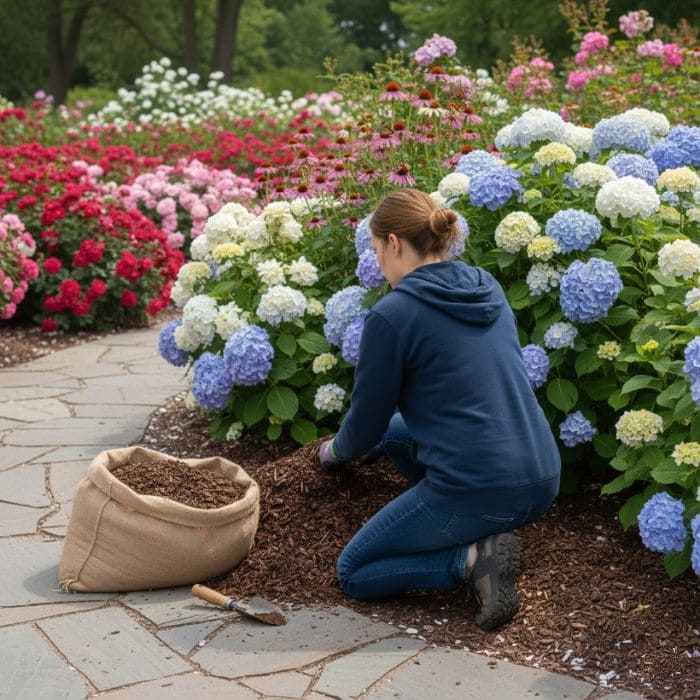
We started by prioritizing the most vulnerable plants. Newly planted areas received small amounts of water from rain barrels we had filled earlier in the season.
We used that water carefully, measuring rather than pouring freely. Established plants with deeper root systems were left alone, trusted to handle a short pause.
We added extra mulch where soil was exposed, using straw and dried leaves to slow evaporation and keep roots cool.
In the evenings, when the air cooled, I misted only the leaves of certain plants with bottled water, just enough to reduce stress without soaking the soil.
Watching the River With New Eyes
I walked down to the riverbank once during those days, stopping far from the restricted area. From where I stood, the water looked normal, reflecting the sky, moving steadily along its path. If I had not read the news, I would never have guessed anything was wrong upstream.
Local authorities worked quickly. The factory was shut down temporarily. Investigators identified the cause of the leak and began cleanup procedures.
Updates were shared daily, and responsibility was clearly stated. Still, those two days felt long.
When the Water Returned
When the announcement finally came that the river water was safe to use again, I felt relief deeper than I expected. I did not rush outside immediately. I waited until evening, when the light softened.
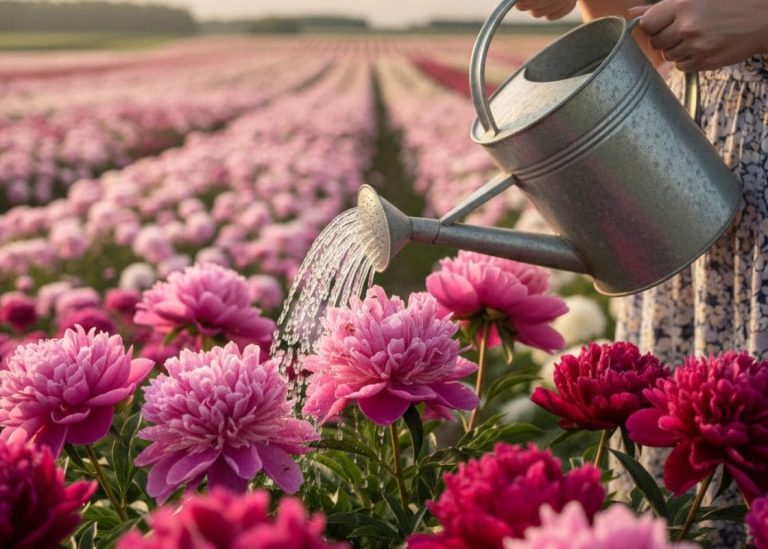
I turned the valve slowly and watched the clear stream flow from the hose, listening to a sound I had never realized I took for granted. I watered gently, not flooding the beds, just welcoming the river back into the garden.
The plants stood unchanged, resilient, as if they had been waiting patiently.